Equipment
Equipment We Design & Supply.
Ship unloaders, gantry and portal cranes, grabs and spreaders — the hardware behind a bulk handling project, engineered to recognised crane design codes and documented with the drawings your fabricators and contractors actually need.
What this page covers
Hardware, not just drawings
Most of our projects need equipment, not only an engineering package. This page sets out the four families we design and supply, the duty ranges they cover, and the design documentation that goes out with them.
The machines below are the equipment classes our engineering is built around. They are designed to Chinese national crane and bulk-handling standards — the same body of practice behind the equipment already working in Chinese ports, power plants and shipyards — then fabricated through the same supply chain and shipped to your site.
- Duty range agreed against your material, throughput and site before quoting
- General-arrangement drawings, calculations and fabrication documentation issued
- Wear parts, grabs and consumables supplied as repeat items after commissioning
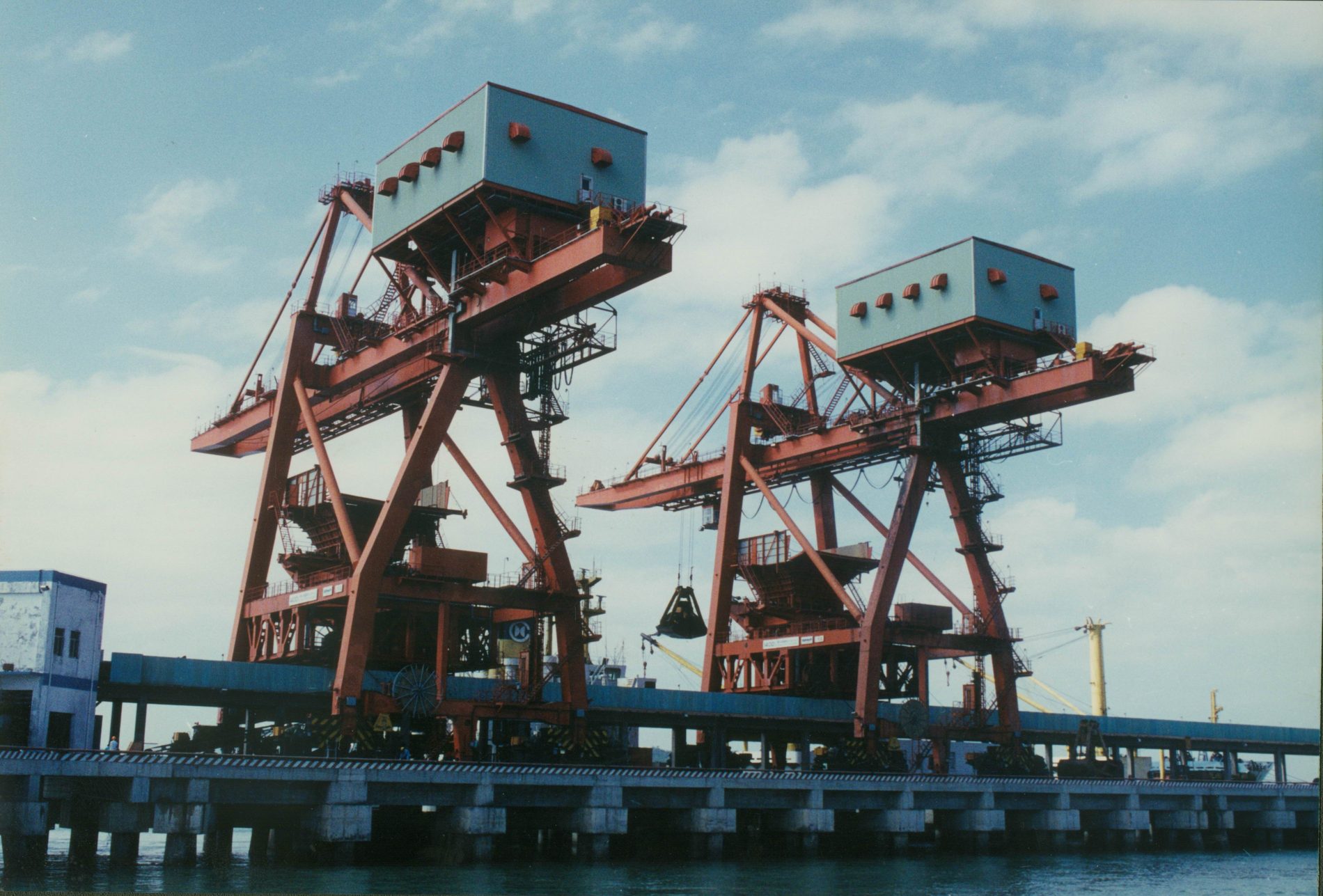
Rail-mounted grab ship unloaders on a bulk quay.
Product families
Four families, one engineering base
Ports need unloading, lifting and grabbing. These four families cover the moving parts of a bulk terminal and are specified together where a project calls for it.
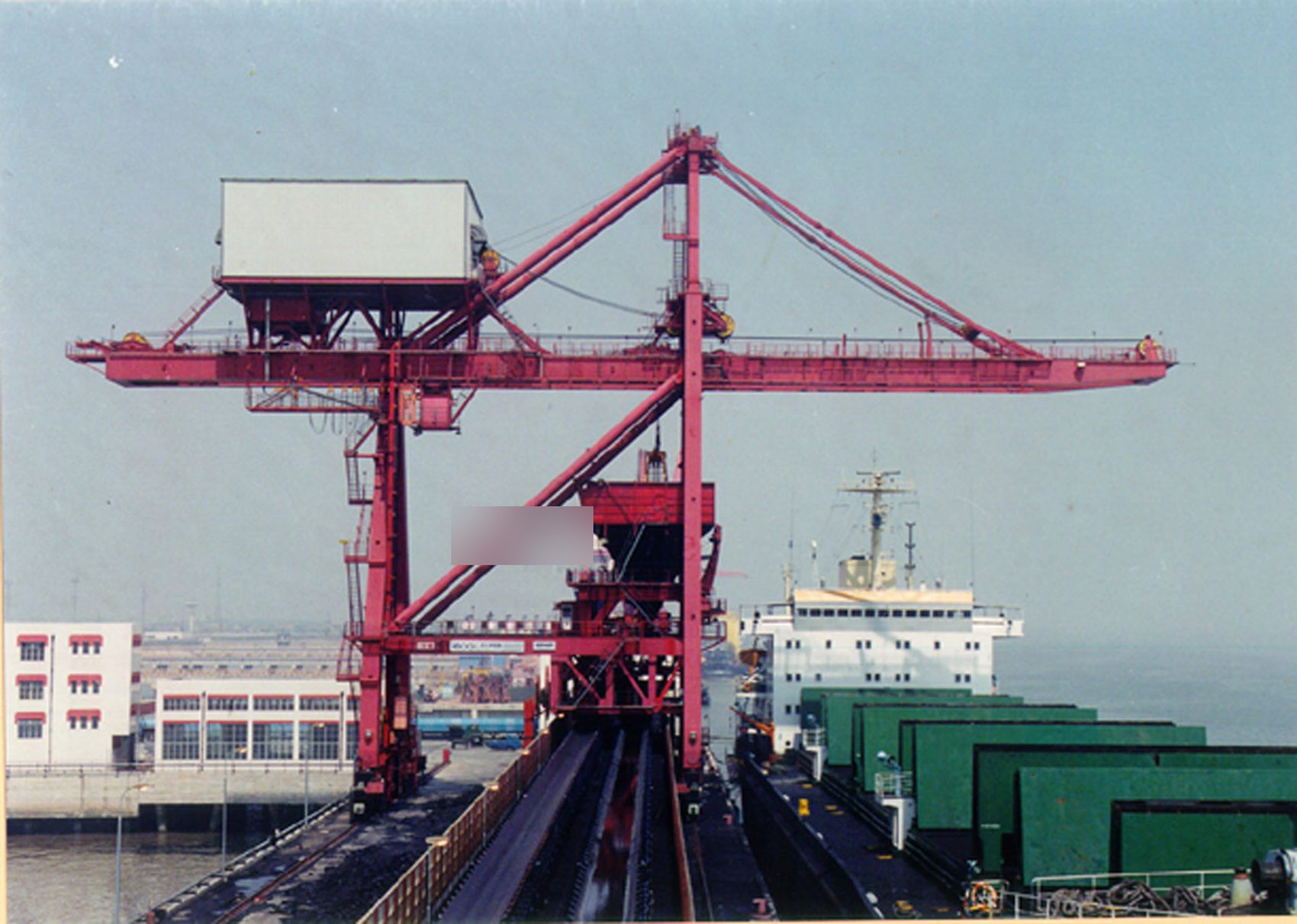
Ship Unloaders
Rail-mounted bridge-type grab unloaders, 1,200–2,000 t/h, for coal, ore, clinker and grain at import terminals and power plants.
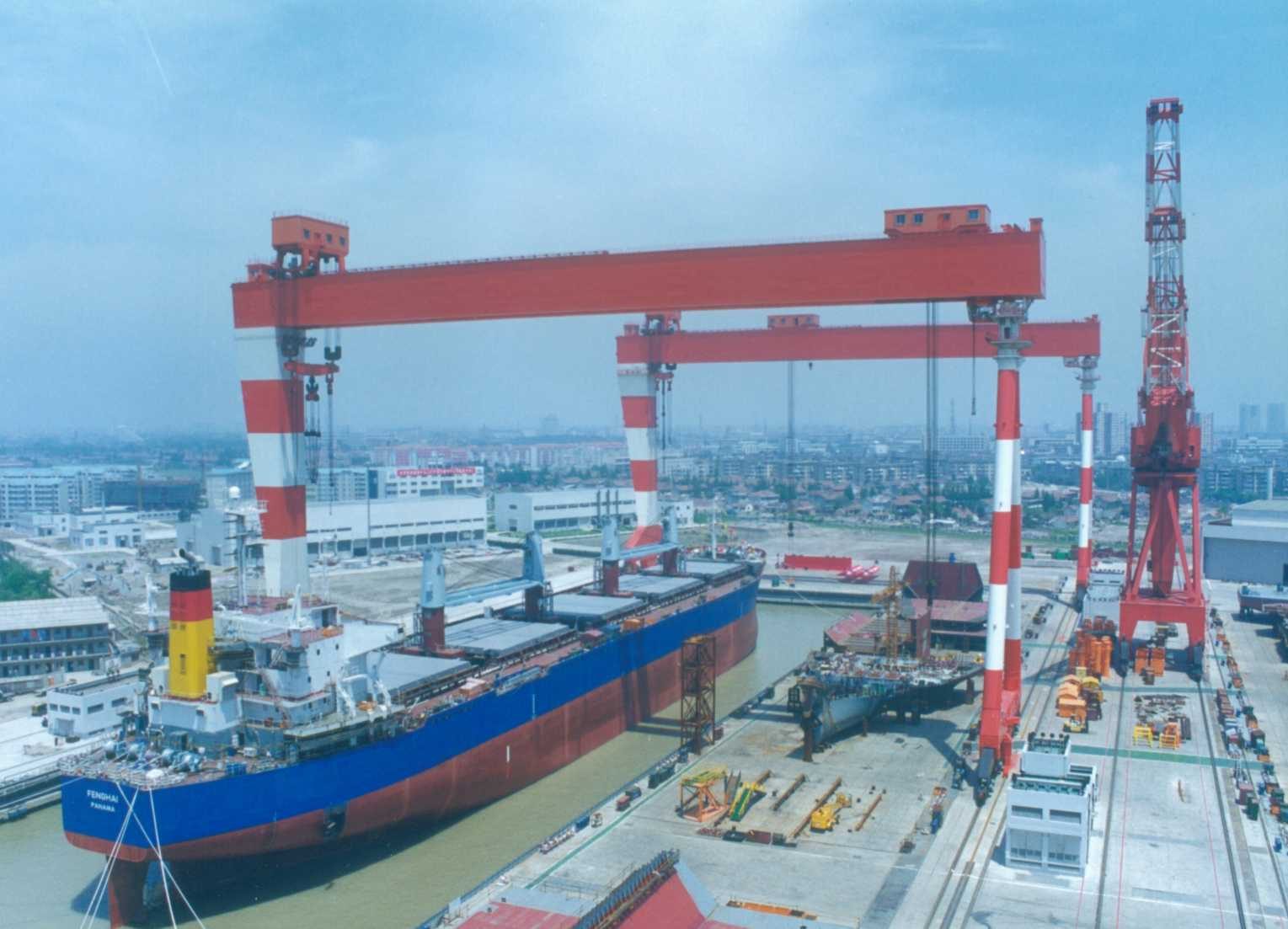
Gantry & Portal Cranes
Rail-mounted gantry and luffing cranes from 300 t to 600 t, plus slewing portal and mast crane designs for yard, berth and shipyard duty.
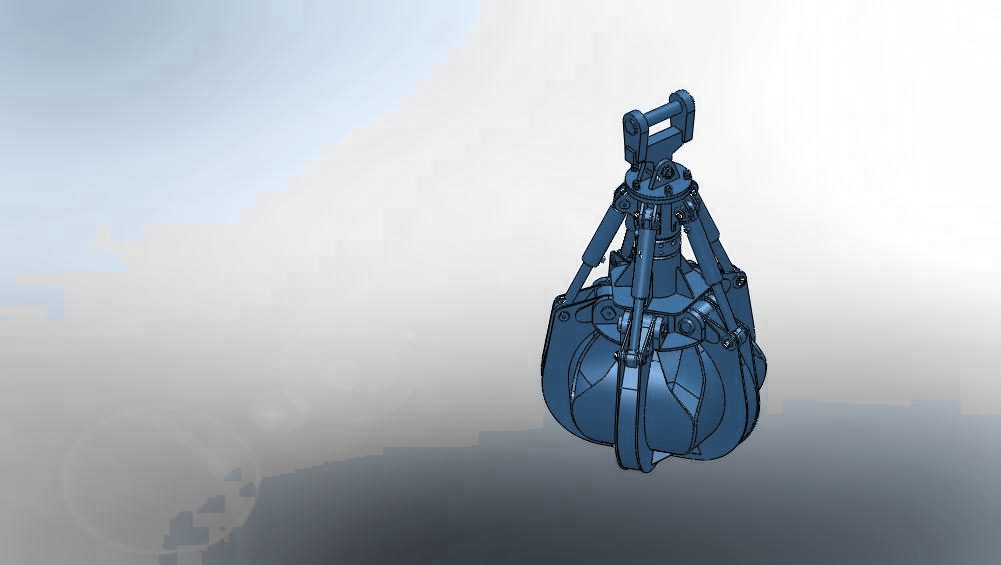
Grabs & Spreaders
Rope-operated, hydraulic and remote-controlled grabs for bulk cargo, plus container and manual spreaders — the highest-wear consumables on any unloader.
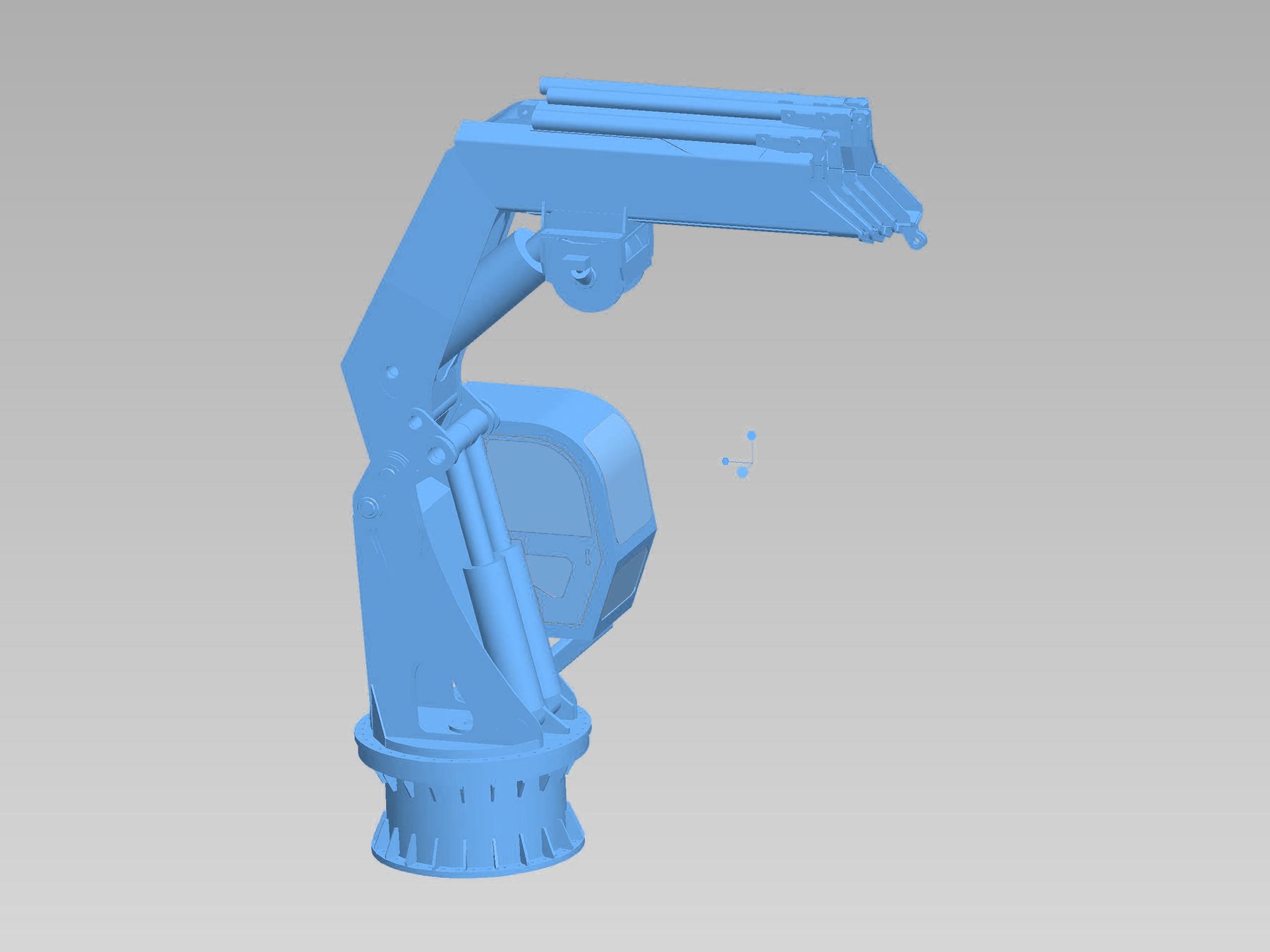
Design Documentation
General-arrangement drawings, structural and mechanism calculations, and fabrication documentation — the package that turns a specification into a buildable machine.
Family 01
Ship unloaders
Bridge-type grab unloaders that travel along the quay and reach into the hold with a traversing trolley. The default choice where material arrives in bulk carriers and the berth has to discharge a wide range of cargoes.
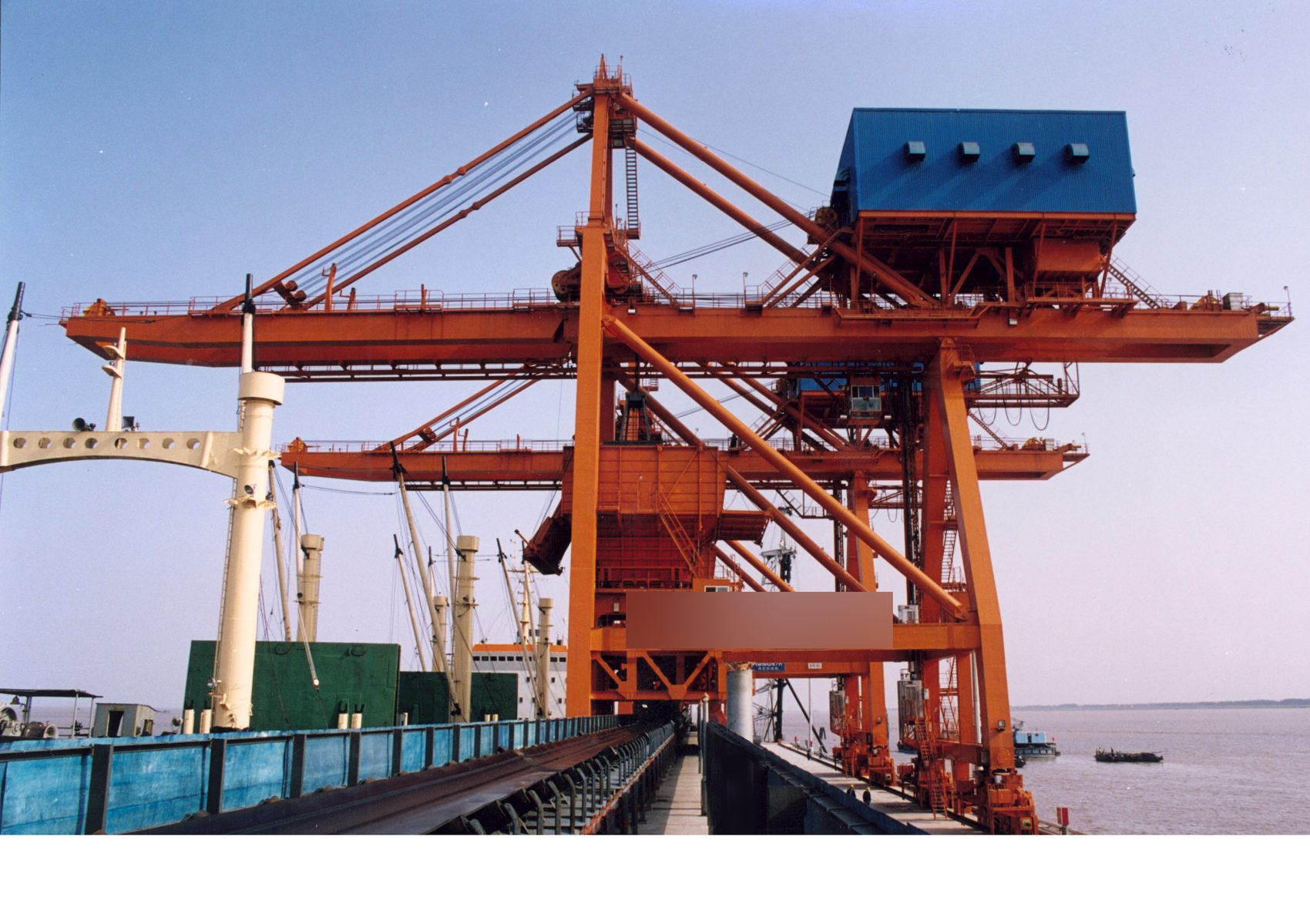
Bridge-type grab unloader — trolley travel and grab duty sized to the vessel class.
X-series, 1,200–2,000 t/h
Our ship unloader engineering runs from the X-1200 continuous-handling class up to the X-2000, in both grab and continuous configurations. The wider range, taken together, covers the throughput bands most import terminals and coastal power plants actually specify.
- X-1200 — continuous
- X-1250
- X-1400
- X-1600
- X-1750
- X-2000
Model designations follow the rated handling rate. Confirm the duty against your material (density, moisture, lump size) before fixing a size — grab unloader output depends heavily on how the cargo behaves in the hold.
Ship unloader — indicative duty envelope
| Parameter | Description |
|---|---|
| Type | Rail-mounted bridge-type grab unloader; continuous type available |
| Rated handling rate | 1,200–2,000 t/h, model designation follows the rated rate |
| Materials handled | Coal, iron ore, cement clinker, grain, fertiliser |
| Grab duty | Rope-operated double-flap or multi-flap; hydraulic and remote-controlled grabs on request |
| Travel | Rail-mounted along the quay, with a traversing trolley for hold coverage |
| Structure | Welded box-girder portal and bridge, designed to Chinese crane design practice |
| Control | PLC-based machine control, operator cabin, remote diagnostics support |
Grab ship unloader
Boom raised, travelling along the berth
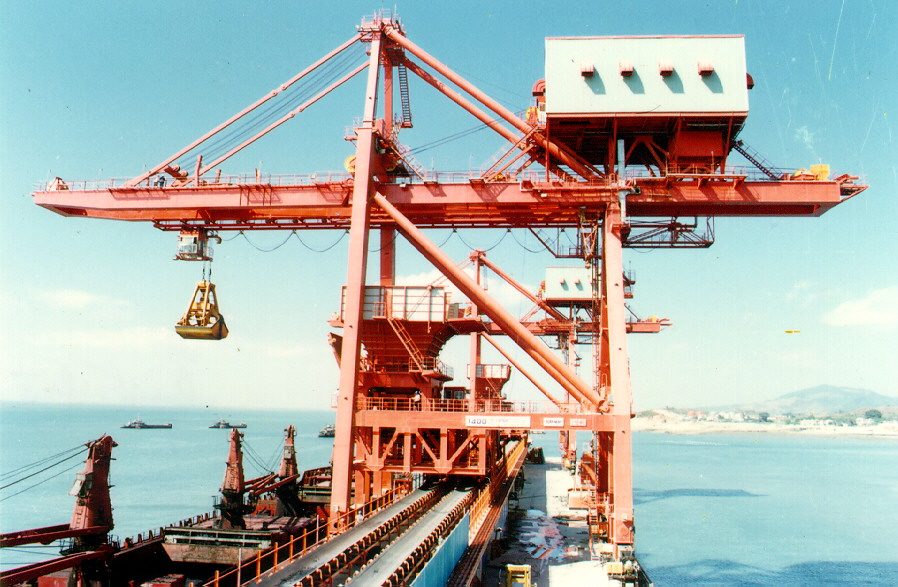
In service, power-plant berth
Coal intake duty
Portal and bridge structure
Box-girder fabrication
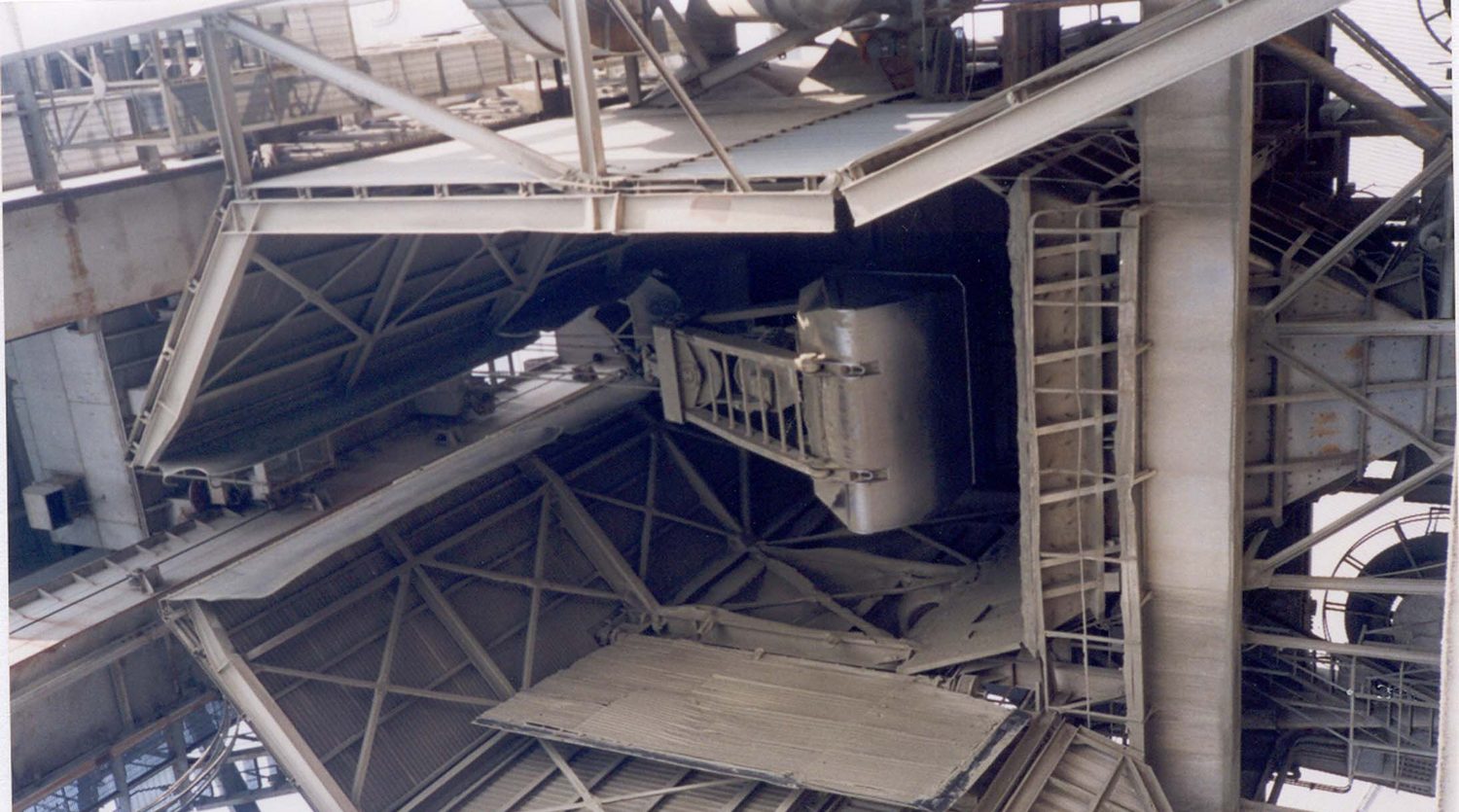
Machine house and trolley
Hoist and travel drives
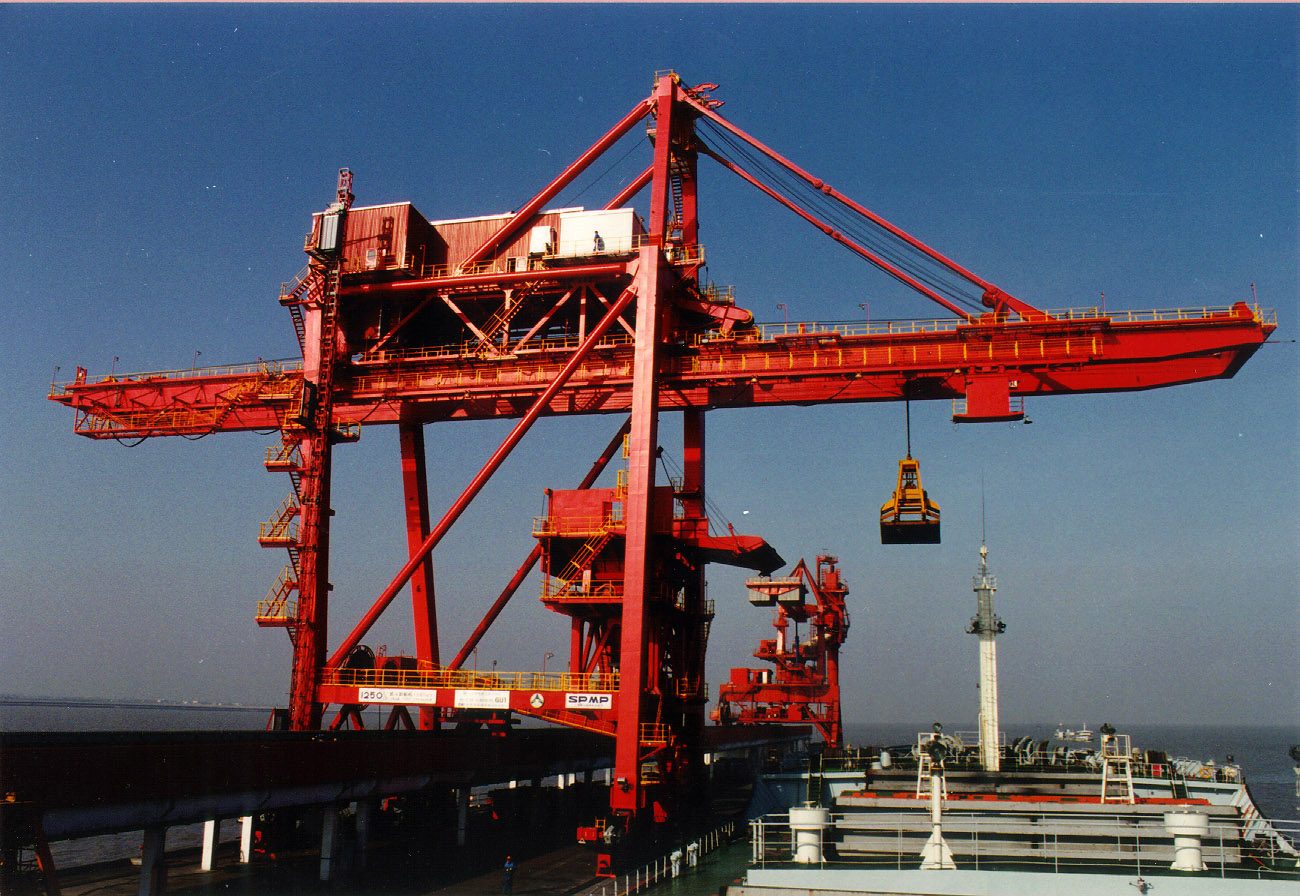
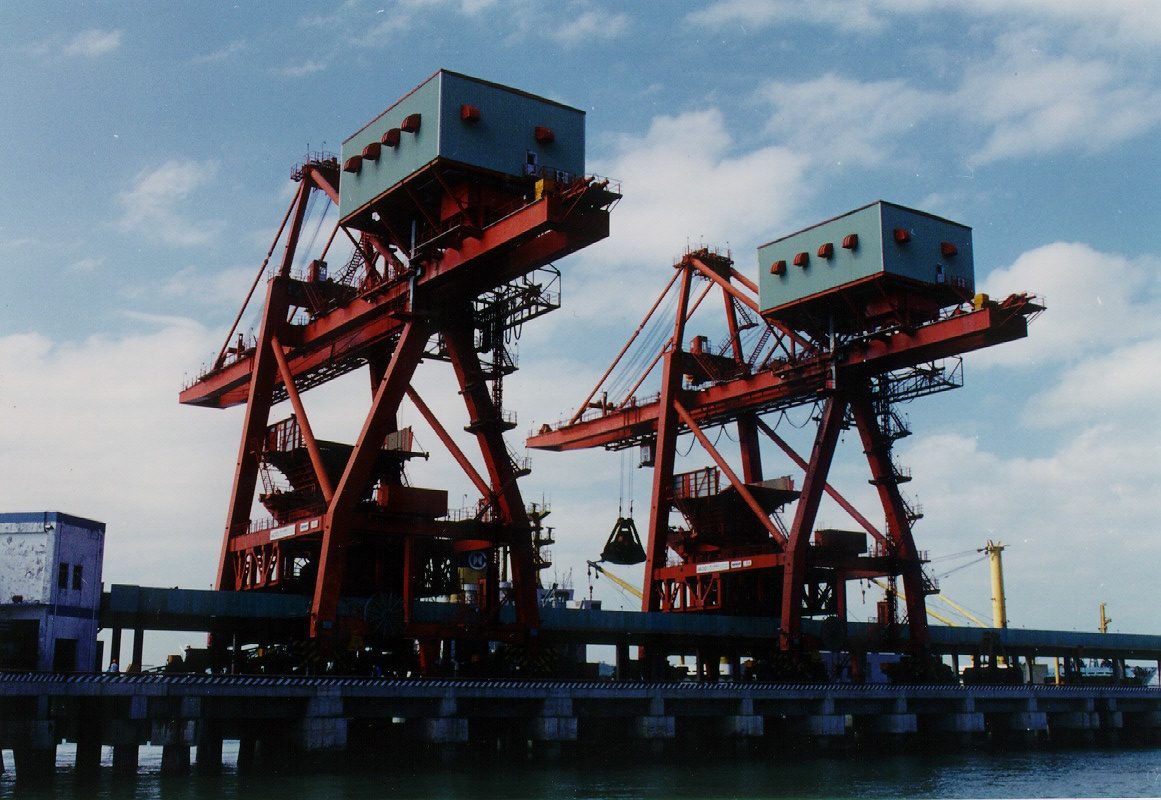
Discharging a bulk carrier
Grab cycle into the hopper
Two machines, one berth
Rated throughput at higher berth occupancy
Family 02
Gantry & portal cranes
Heavy-lift gantry cranes for yards and shipyards, and slewing portal cranes for berth and quay duty. These are the machines that lift the components the rest of the terminal is built from — and the ones our design calculations are most detailed on.
Gantry cranes
300 t – 600 t, rail-mounted
Single and double girder gantry cranes with a rail-mounted travel, sized for shipyard block handling, port heavy lift and precast yards. Luffing-boom variants are used where outreach has to change with the load.
- 300 t
- 450 t
- 480 t
- 600 t
- Luffing boom
- Twin-girder
Portal & mast cranes
25 t portal to 200 t mast
Slewing portal cranes and four-bar linkage portal machines for general quay handling, plus heavy mast cranes where a large lift has to be made from a fixed base with a limited footprint.
- Slewing portal
- Four-bar linkage
- Fixed pedestal
- Mast crane
300 t gantry crane
Rail-mounted, yard duty
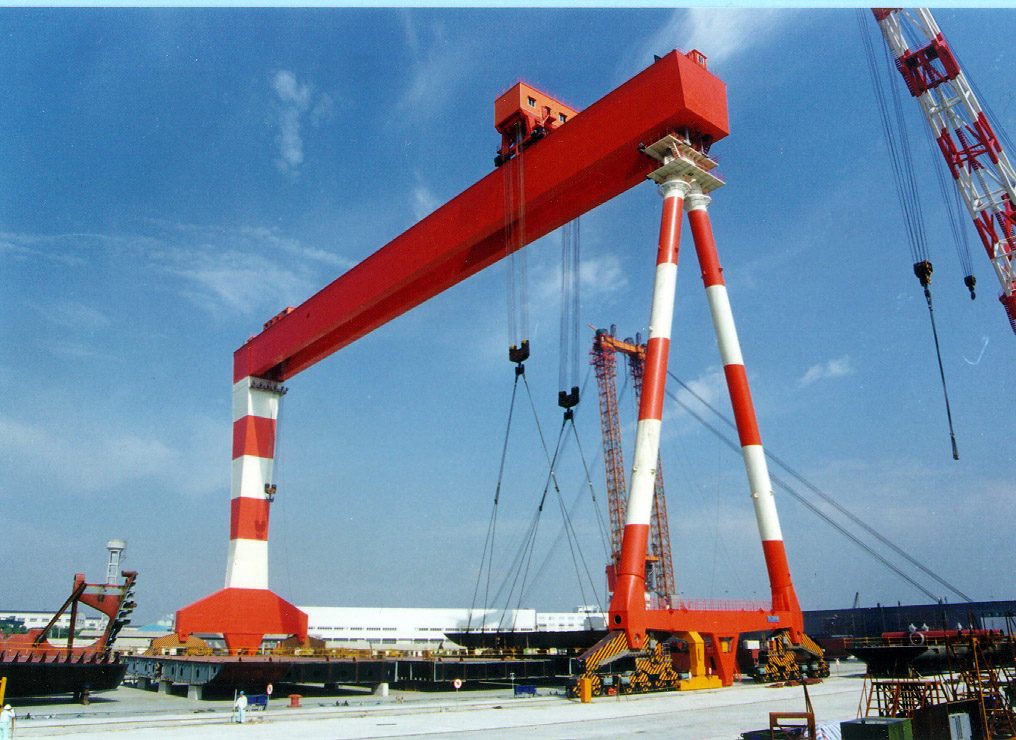
Twin-girder gantry
Block handling
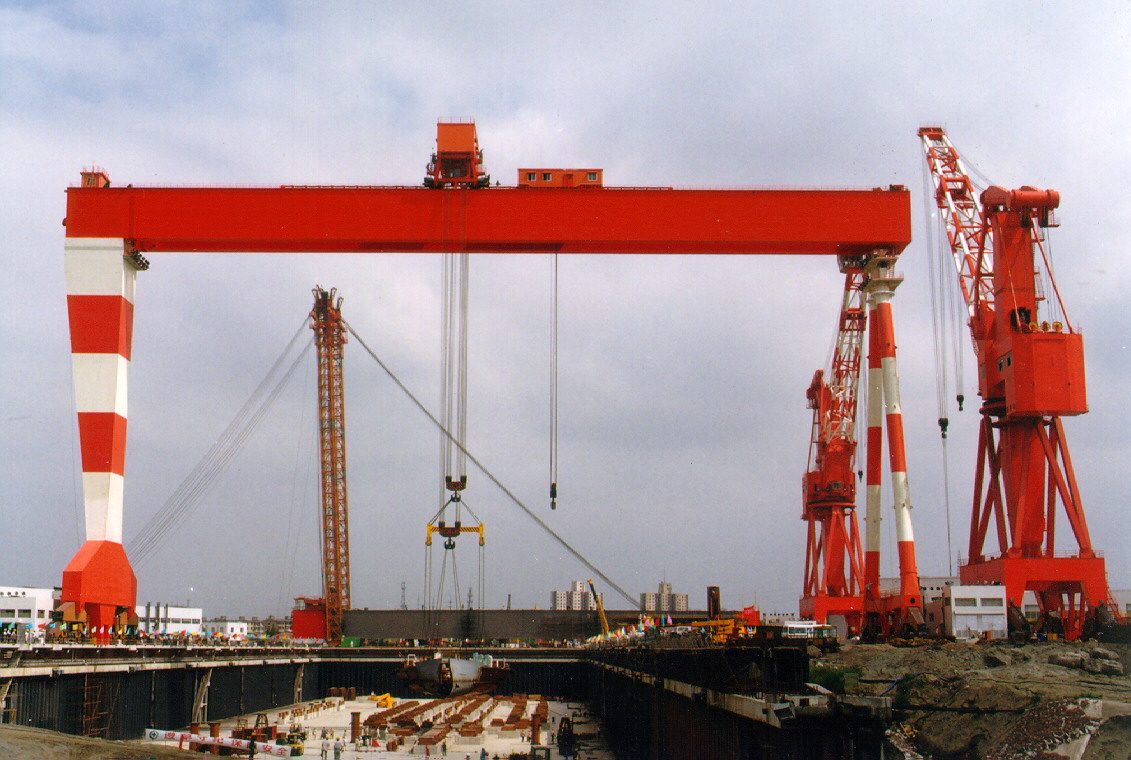
Portal travel on rails
Yard storage under the gantry
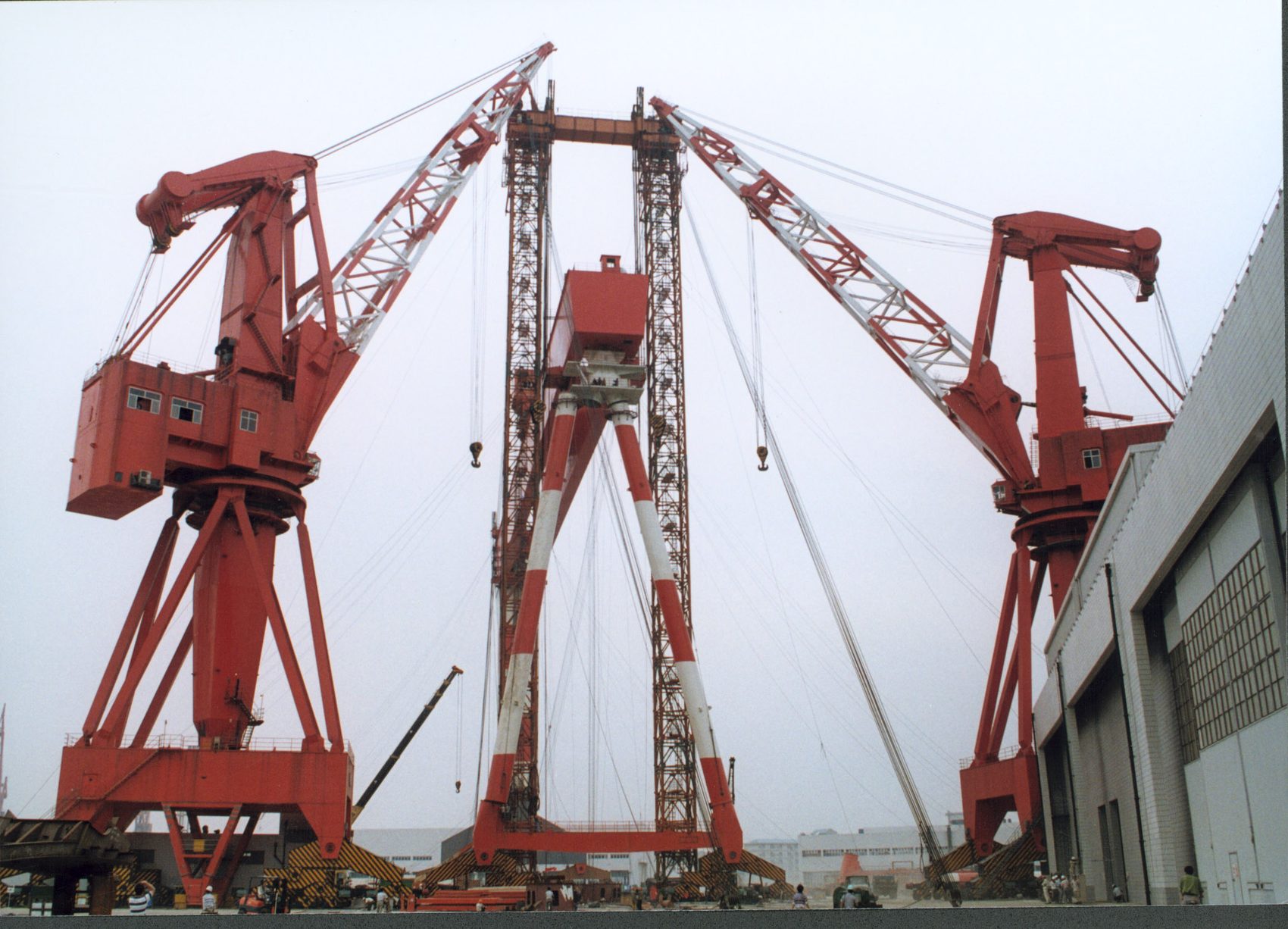
Luffing-boom crane
Variable outreach with load
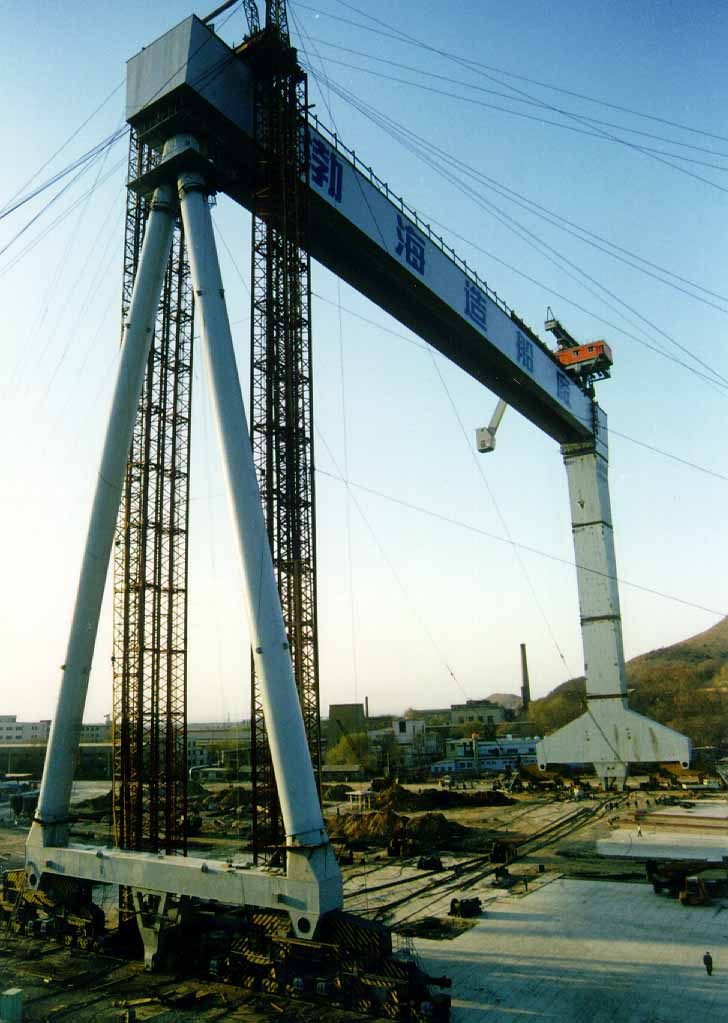
450 t shipyard gantry
Heavy-lift class
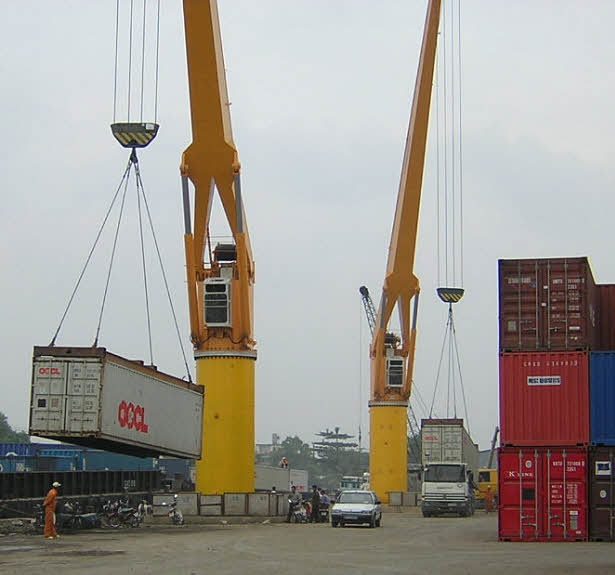
Portal crane, quay duty
Container and general cargo
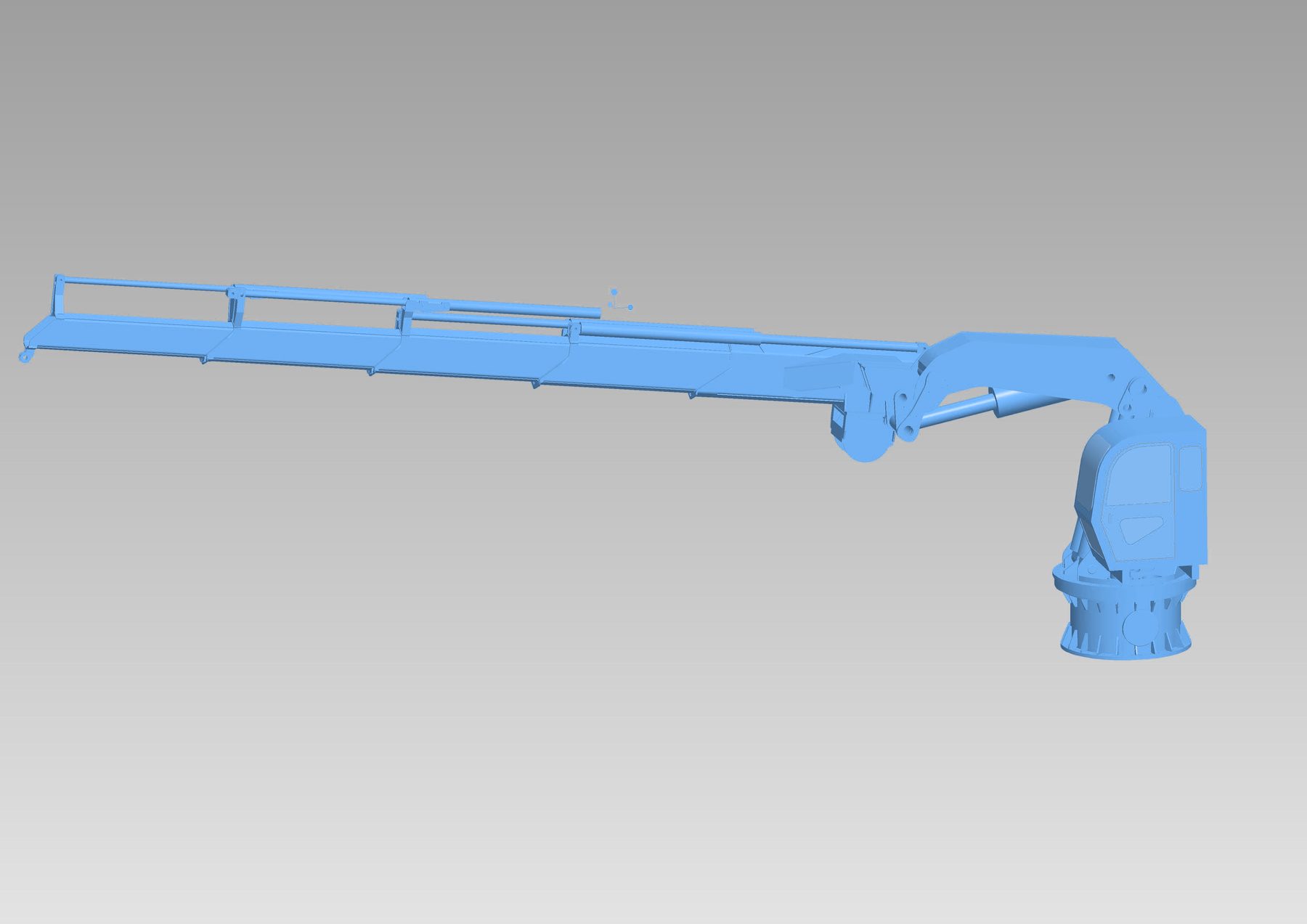
Portal crane design
Long-reach configuration
Boom configuration
Luffing outreach
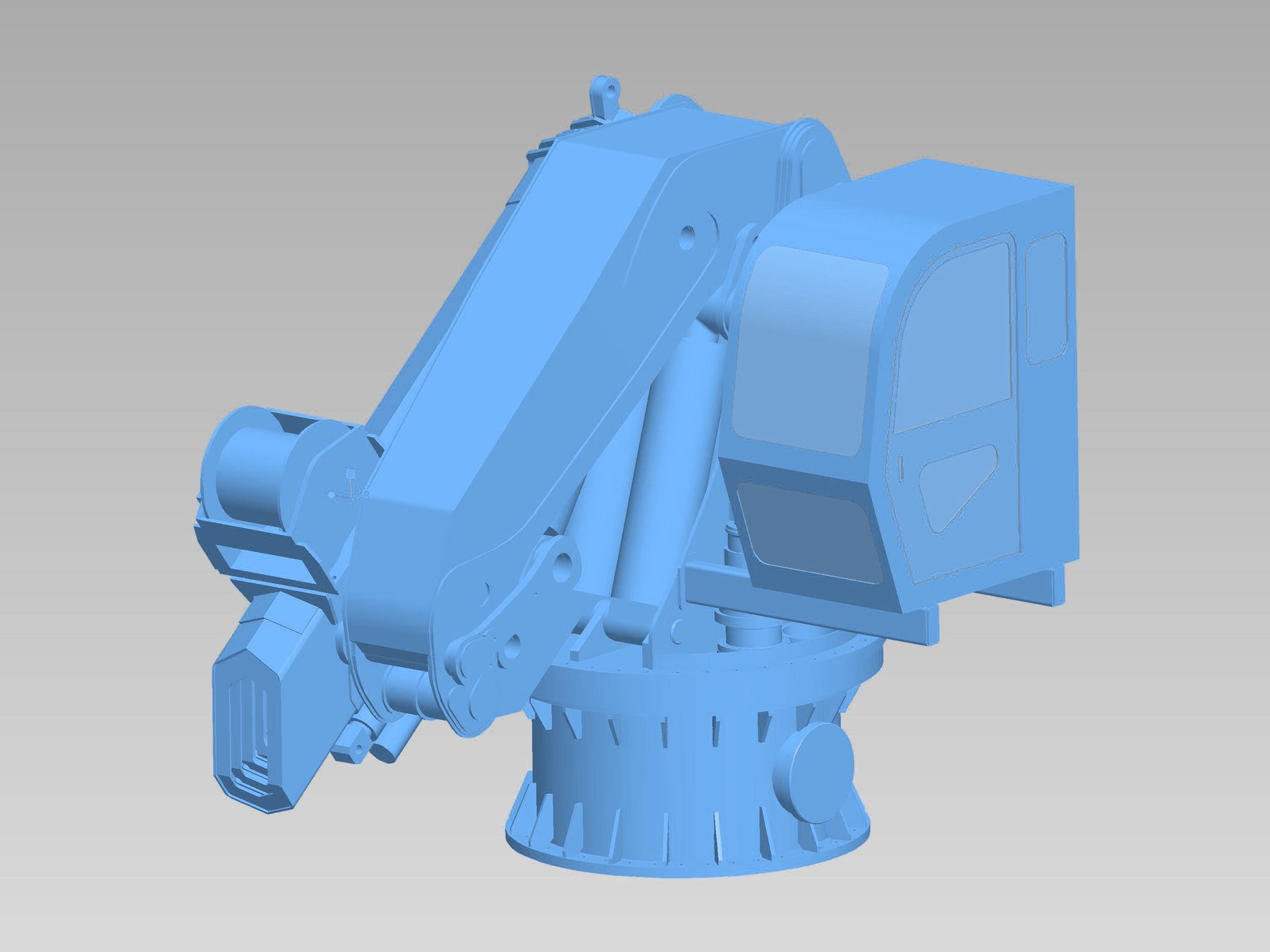
Compact configuration
Restricted quay footprint
Family 03
Grabs & spreaders
On a grab unloader the grab is the part that touches the cargo, and the part that wears out first. Getting the grab type right matters more than almost any other single choice on the machine.
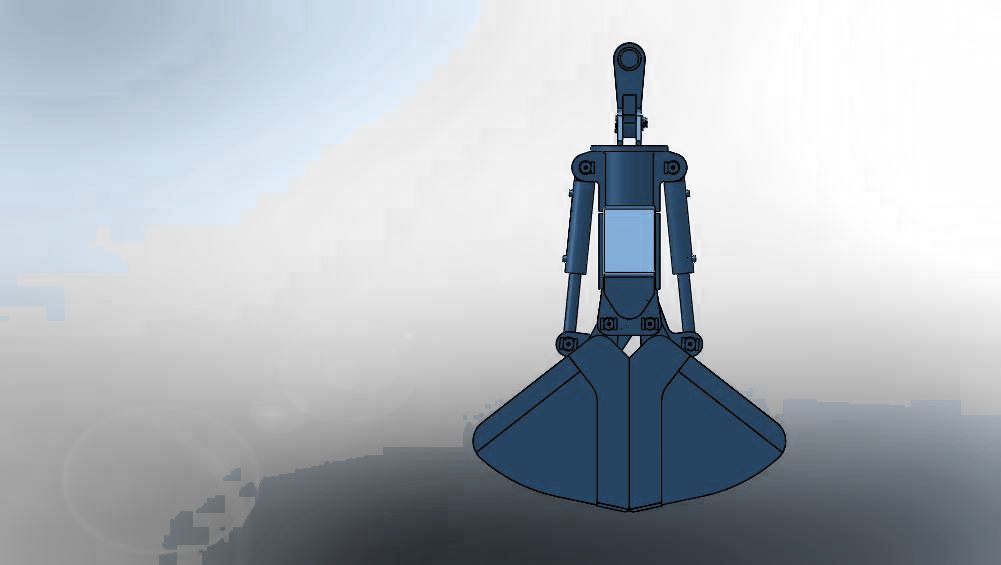
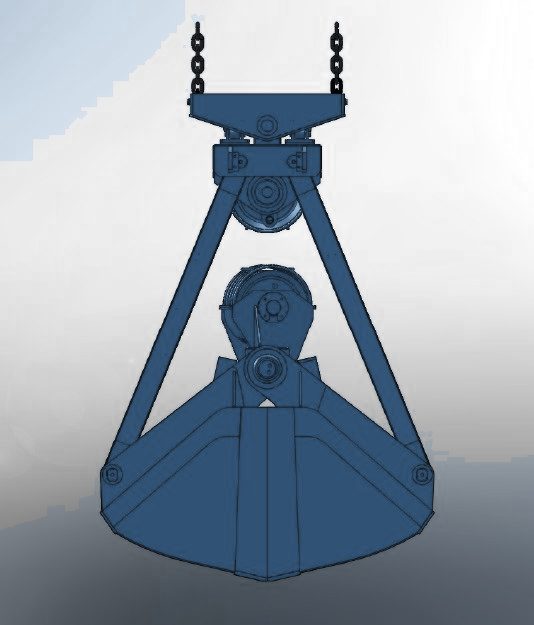
Clamshell grab
Two-shell, general bulk cargo
Double-flap grab
Rope-operated
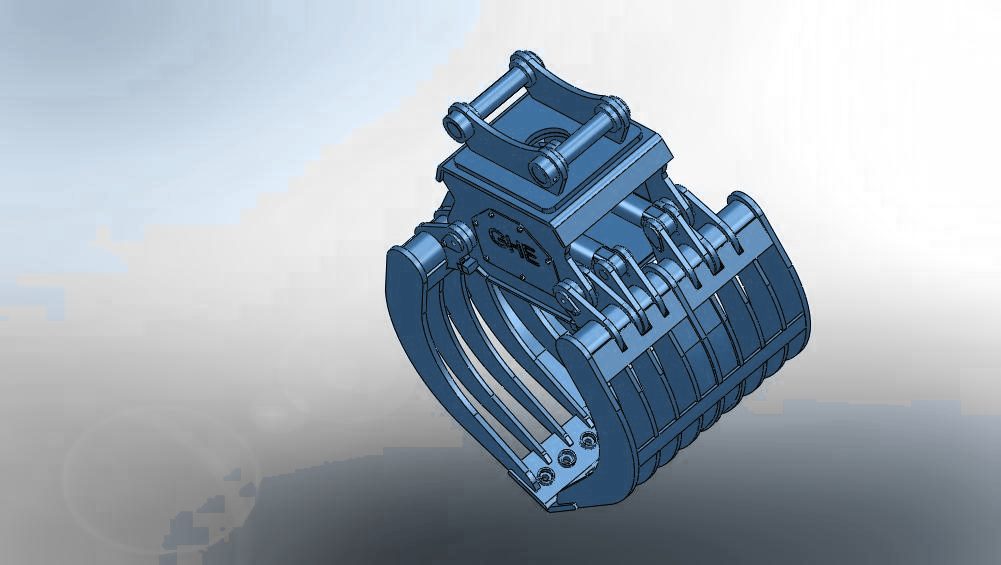
Multi-flap grab
Mixed and awkward cargo
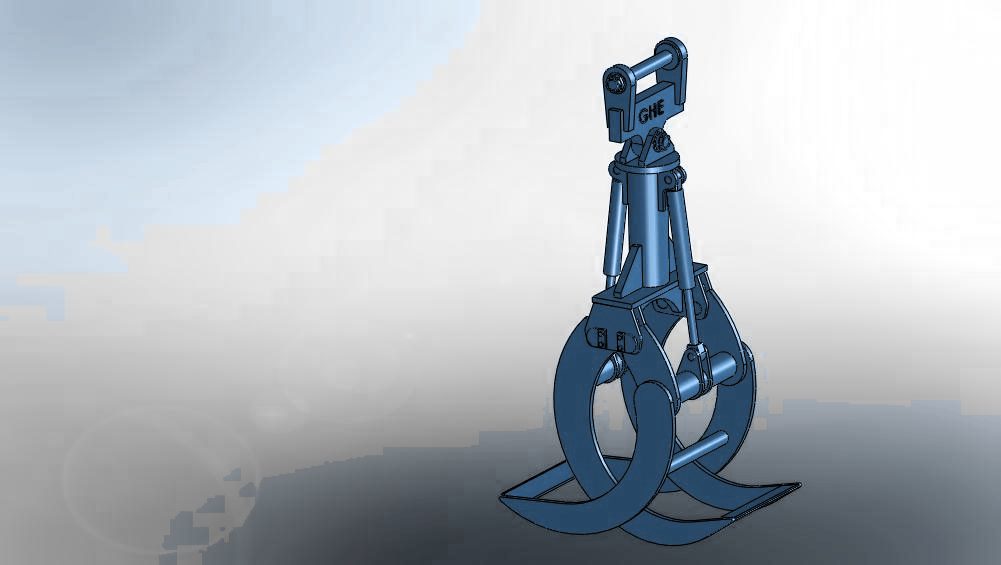
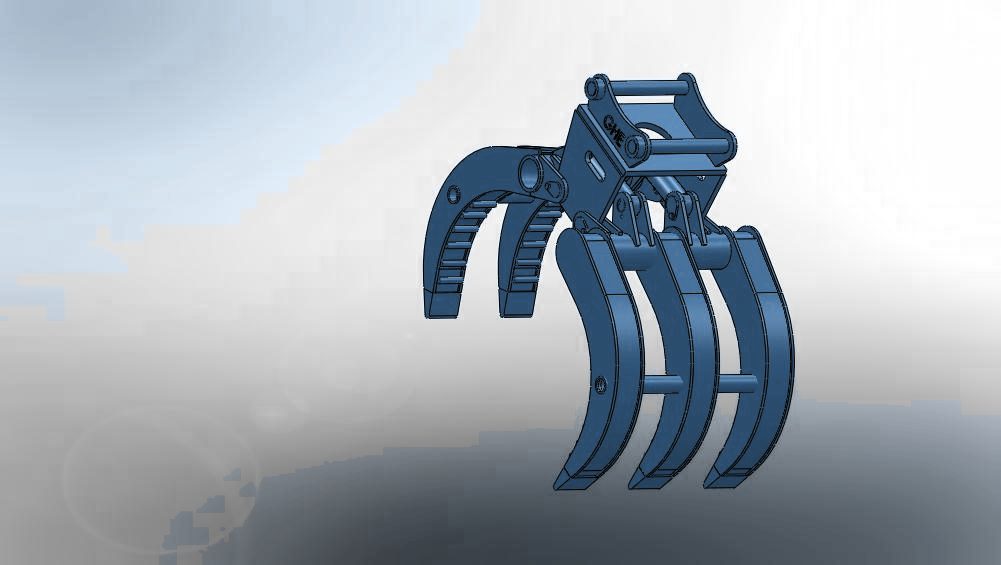
Timber grab
Log and roundwood duty
Stone grab
Reinforced shells for rock
Four-rope grab
Crane and unloader duty
Rope-operated
The workhorse group. Single-rope, double-rope and four-rope arrangements, in two-flap and multi-flap configurations.
- Single-rope double-flap
- Double-rope multi-flap
- Four-rope double-flap
- Multi-flap
Hydraulic & remote
Powered grabs for higher closing force and better penetration into compacted cargo, including crab-shaped multi-flap designs.
- Hydraulic double-flap
- Hydraulic multi-flap
- Crab-shaped multi-flap
- Remote-controlled
Special duty & spreaders
Grabs matched to one cargo rather than general bulk, plus the spreaders that carry containers and other unitised loads.
- Dredging grab
- Timber grab
- Stone grab
- 40 ft spreader
- Manual spreader
Grabs are consumables. Ceramic and polymer wear liners are supplied as repeat items for chutes, hoppers and grab shells. Most operators keep a spare grab so a reline does not stop the berth — we can quote the second unit at the same time as the first.
Family 04
Design documentation
What separates an engineering supplier from a catalogue is the paperwork: the drawings and calculations that let a fabricator build the machine and a certifying body check it.
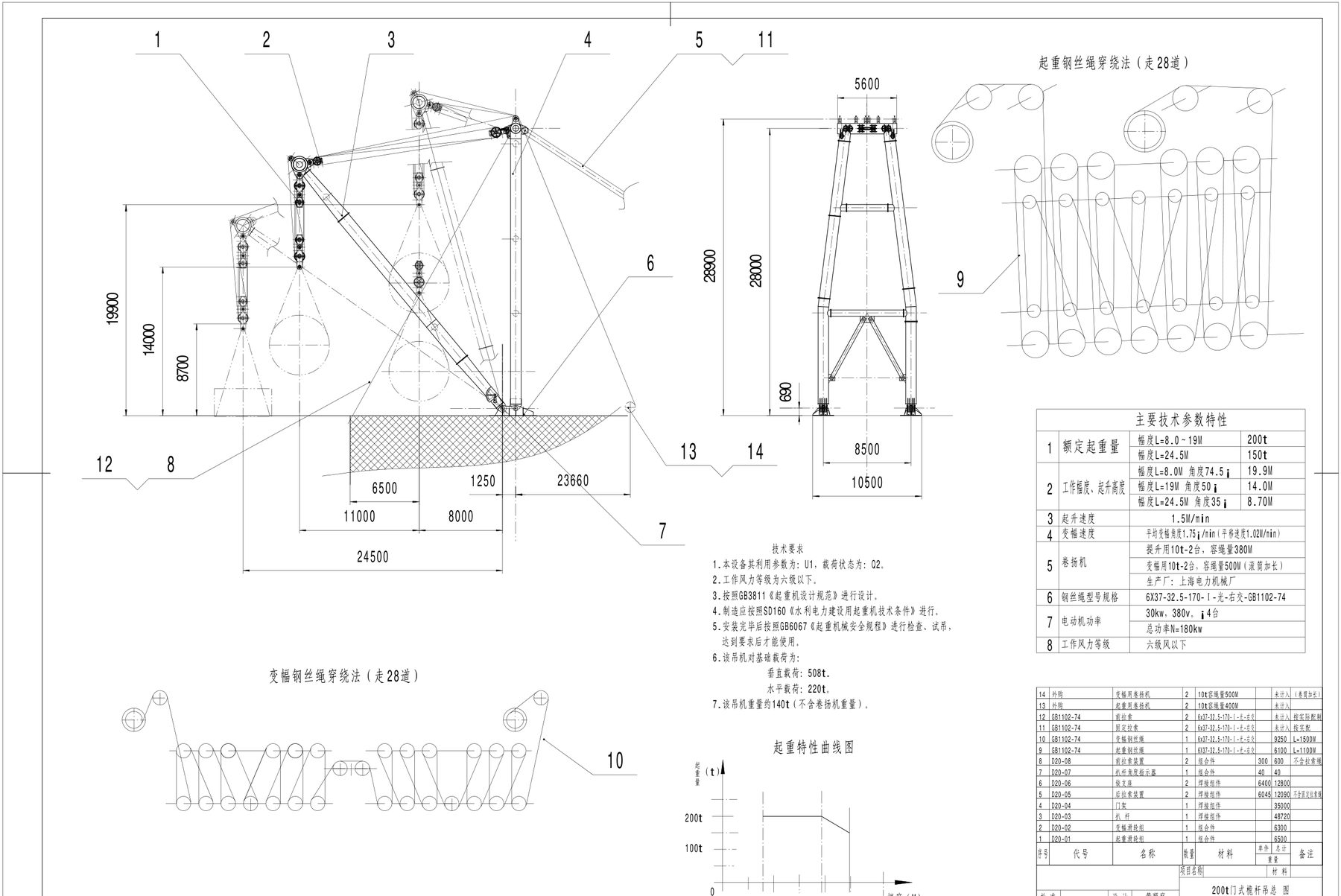
General-arrangement drawing, 200 t gantry mast crane (drawing no. D20-00).
Worked examples from our drawing set
Two documents from the design library show the level of detail that goes out with the equipment. Both are real design outputs, not illustrations.
- 200 t gantry mast crane (D20-00). Rated 200 t, working radius 8–24.5 m (200 t to 19 m, 150 t at 24.5 m), machine weight about 137 t, foundation loads 508 t vertical and 220 t horizontal. Designed to GB3811, manufactured to SD160, checked and load-tested to GB6067 before use.
- 25 t four-bar linkage portal crane. Mechanism design calculation book covering the luffing rack loads, motor selection and gear bending fatigue — mechanism duty class M7, 55 kW drive, module 25 rack, bending fatigue safety factor 1.55.
General arrangement — 200 t mast crane
View, sections and component schedule
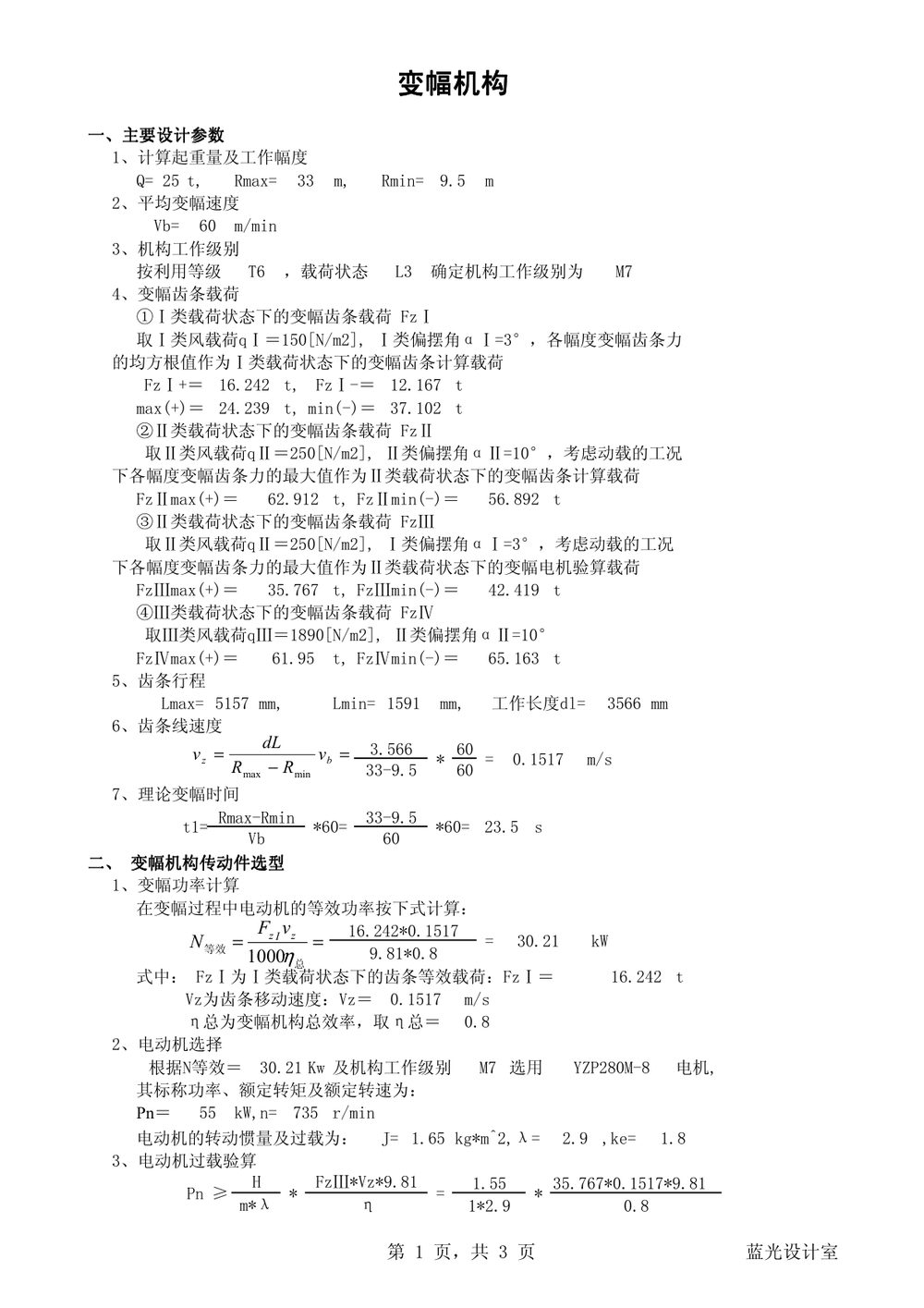
Design calculation book — 25 t portal crane
Luffing mechanism, motor and rack sizing
Need a machine sized for your site?
Tell us the material, the throughput and the berth or yard conditions. Pre-sales technical consultation is free, and we respond to every enquiry within 24 hours.