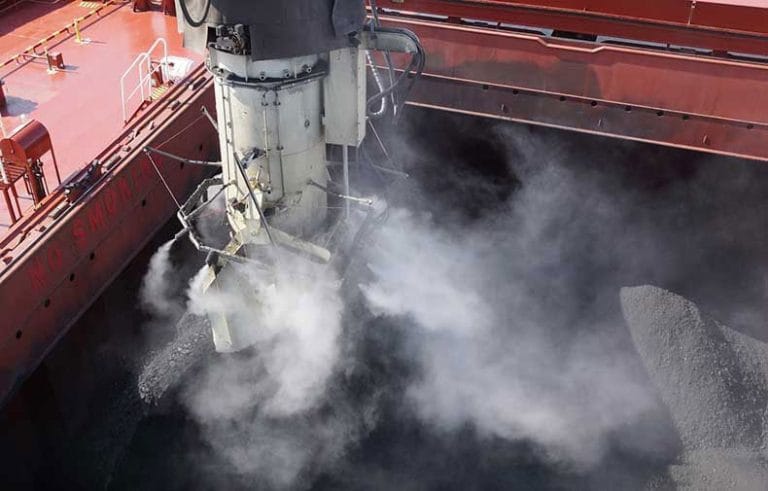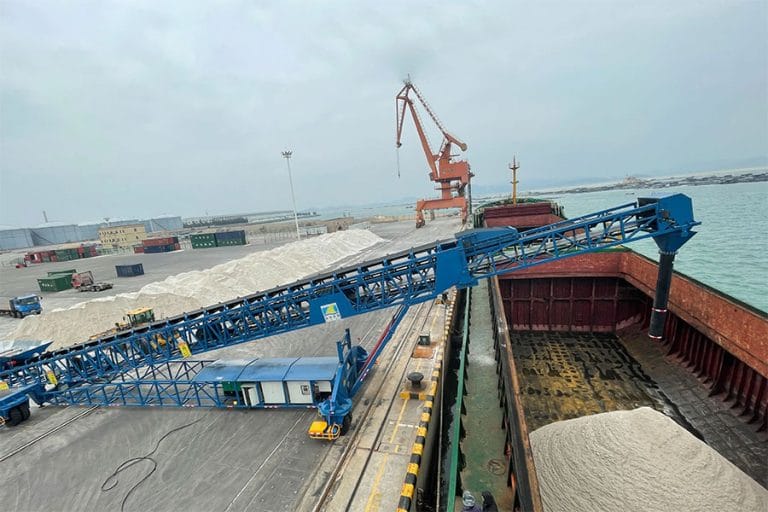




Ship loader loading capacity (TPH) refers to the maximum tons per hour (TPH) of bulk cargo a ship loading machine can transfer from yard stockpiles, conveyor systems, or silos onto cargo vessels. It is the core performance metric for port ship loaders, widely used in bulk material handling industries for coal, grain, ore, cement clinker, and fertilizer shipping operations.
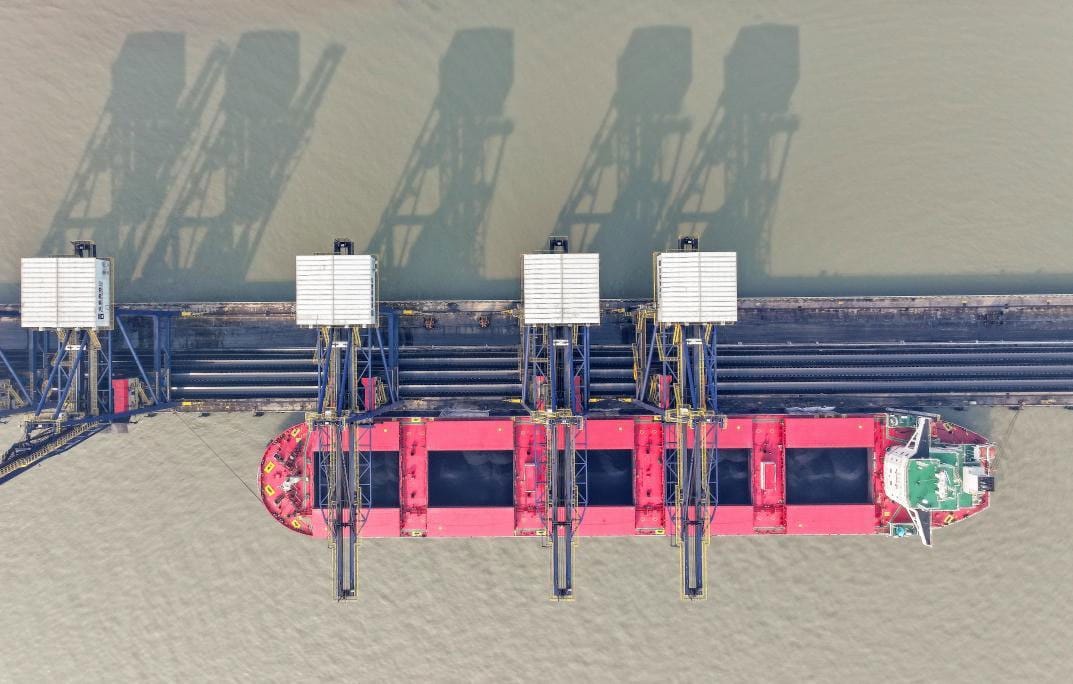
TPH (Tons Per Hour) is the universal industrial unit for ship loader throughput capacity. Unlike static load capacity, ship loader TPH measures continuous dynamic loading efficiency, which directly determines port berth productivity, vessel turnaround time, and overall terminal operational capacity.
Every ship loader model features a rated TPH capacity and a peak TPH capacity. The rated TPH is the stable, long-term working capacity under standard operating conditions, while peak TPH refers to the maximum instantaneous throughput for short-duration operations.
The actual ship loader loading capacity TPH is not fixed by factory parameters alone. Multiple operational and mechanical factors affect real-world throughput performance:
The core hardware design defines the baseline TPH capacity of a ship loader. Belt width, belt speed, conveyor length, slewing and luffing range, and feeding system configuration all determine material conveying efficiency. Standard port ship loaders typically range from 300 TPH to 10,000 TPH for large-scale bulk terminals.
Material density, moisture content, particle size, and fluidity significantly impact actual TPH output. Dry, uniform materials like grain and pelletized ore achieve higher stable TPH, while wet, sticky materials such as damp coal or clay cause belt adhesion and blockage, reducing effective ship loader loading capacity.
Berth environment, vessel type, tide changes, and operator proficiency influence continuous loading efficiency. Frequent position adjustments, vessel draft changes, or emergency stops will lower average TPH, even if the ship loader maintains high rated capacity.
Ship loader TPH performance relies on upstream conveyor systems, stacker reclaimer output, and feeding hopper efficiency. A mismatch between front-end material supply and ship loader capacity creates a “bottleneck effect”, limiting actual loading throughput.
Professional port operators and equipment engineers use a standard formula to calculate actual ship loader TPH capacity for operational assessment and project design:
Actual TPH = Total Loaded Cargo Tonnes ÷ Net Working Hours
Effective Working Hours = Total Operation Time − Downtime (adjustment, cleaning, failure, tide waiting)
For equipment design TPH verification, the industrial conveyor capacity formula applies:
TPH = Belt Width × Belt Speed × Material Bulk Density × Conveying Efficiency Coefficient
This calculation helps terminal managers distinguish between theoretical rated TPH and actual on-site TPH, providing accurate data for port production scheduling, equipment selection, and efficiency improvement.
Ship loaders are categorized by TPH throughput to match different port scales and cargo types:
Many port terminals struggle with lower actual TPH than the factory rated capacity. The following optimized measures effectively boost ship loader loading efficiency:
Control cargo moisture content and screen oversized materials to avoid conveyor blockage and material accumulation. Stable material properties ensure continuous, high-efficiency feeding and maximize real-time TPH.
Ensure front-end conveying and feeding systems match the ship loader’s rated TPH. Eliminate supply bottlenecks to maintain full-load continuous loading during vessel operation.
Train operators to minimize unnecessary slewing, luffing, and position adjustments. Formulate standardized loading routes to reduce downtime and improve average hourly throughput.
Regularly inspect belt tension, roller operation, drive motor performance, and sealing systems. Prevent equipment failure and material leakage that reduce effective ship loader TPH capacity.
Ship loader TPH capacity is the core indicator of port terminal competitiveness. Higher stable TPH throughput directly shortens vessel berthing time, improves berth utilization rate, reduces shipping operation costs, and increases annual port cargo throughput.
For port investment and equipment procurement, selecting a reasonable ship loader TPH specification matching cargo type and vessel scale avoids over-investment or insufficient operational capacity, realizing maximum economic benefits for bulk handling terminals.
Rated TPH is the theoretical maximum stable capacity under standard laboratory conditions, while actual TPH is the real throughput affected by materials, environment, and operation, which is usually 10–30% lower than rated capacity.
Yes. On-site upgrades including belt speed adjustment, belt width modification, and feeding system optimization can effectively improve ship loader loading TPH without replacing the entire machine.
General coal terminals adopt 2000–5000 TPH ship loaders; large-scale professional coal ports usually equip 5000–8000 TPH high-capacity ship loading equipment.
Ship loader loading capacity (TPH) is the fundamental benchmark for evaluating bulk cargo ship loading efficiency. Understanding its definition, calculation methods, influencing factors, and optimization strategies helps port enterprises optimize equipment configuration, standardize operation management, and maximize terminal productivity. By matching reasonable TPH specifications with actual business scenarios, bulk shipping terminals can achieve efficient, stable, and low-cost cargo loading operations.